


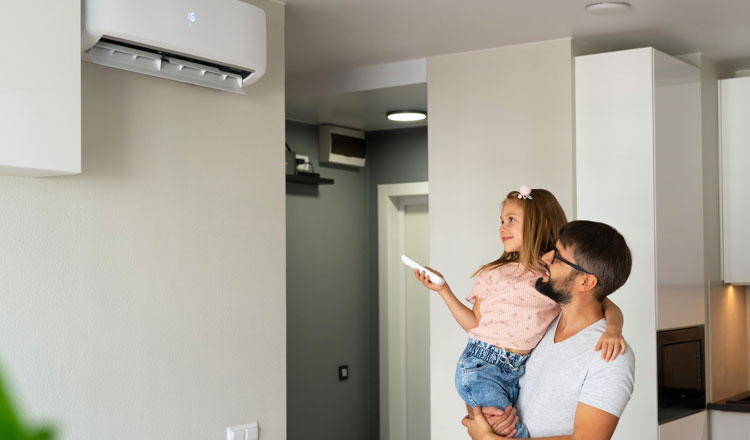
How Do I Improve My Indoor Air Quality?
As a homeowner, you may be wondering the best ways to improve your indoor air quality.
Since Americans spending approximately 90% of their time indoors, ensuring clean, fresh air in your living space has never been more important. For example, poor air quality can trigger allergies, worsen asthma symptoms, and even contribute to respiratory issues, fatigue, and headaches.
The good news is that there a handful of tips to follow to help improve your home’s indoor air quality. At Modern Sheet Metal, we’ve been helping families in the Fox Cities create healthier indoor environments since 1963, and we’re here to share our expertise on the most effective ways to enhance your home’s air quality.
8 Tips for Improving Indoor Air Quality
1. Change Your HVAC Filters Regularly
When it comes to maintaining cleaner, healthier air in your home, one of the best places to start is by switching out your HVAC filters regularly.
A question you may be asking is “how often should I change out my HVAC filter?” Most standard filters will need to be replaced every 1-3 months. How often to replace a filter depends on factors such as 1.) the number of family members living with you, 2.) if you have any pets, and 3.) local air quality conditions in your community.
A dirty filter compromises air quality and reduces your HVAC system’s efficiency, leading to higher energy bills and even equipment damage if never replaced. We suggest setting a reminder on your phone or marking your calendar to check your filters every 1-3 months, replacing them as needed.
2. Upgrade Your Filters
You can also upgrade your existing HVAC filters to a higher-quality filter, such as a MERV 13 or higher. These filters are designed to capture smaller particles that standard filters might miss.
MERV (Minimum Efficiency Reporting Values) ratings range from 1 to 16, with higher numbers indicating better filtration capabilities for your HVAC system.
MERV 13 filters can trap particles as small as 0.3 microns, including bacteria, smoke, and fine dust particles. These high-efficiency filters are a great choice for households with allergy sufferers, young children, elderly family members, or anyone with respiratory conditions.
Before upgrading, consult with our team to ensure your HVAC system can handle the increased airflow resistance of higher-rated filters.
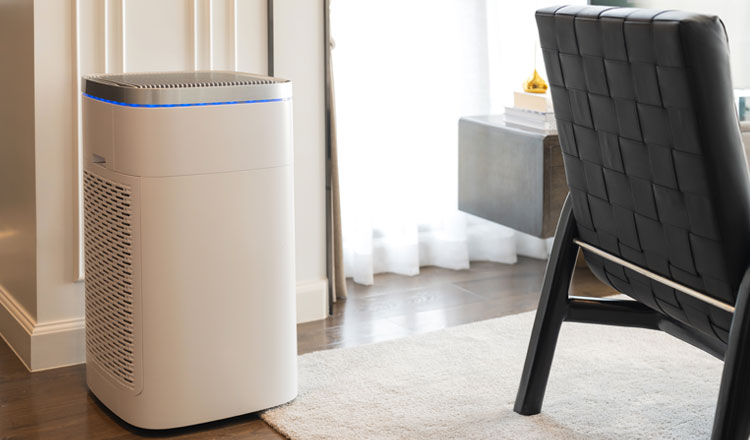
3. Integrate an Air Purifier
Adding an air purifier to your home will provide an extra layer of protection, especially in bedrooms, living rooms, and other frequently occupied spaces.
Modern air purifiers use various technologies, including HEPA filtration, activated carbon, and UV light, to remove air contaminants. HEPA (High-Efficiency Particulate Air) filters capture approximately 99.97% of particles 0.3 microns or larger.
When selecting an air purifier, consider the size of the room and look for units with appropriate Clean Air Delivery Rate (CADR) ratings. Place purifiers in rooms where you spend the most time, and ensure they’re properly sized for the space.
When in doubt, talk with the team at Modern Sheet Metal for which air purifier will work best for your indoor space.
4. Create More Ventilation in Your Living Space
Proper ventilation is essential for maintaining healthy indoor air quality. We suggest opening windows and doors whenever possible, especially during mild weather when the outdoor air quality is good. This natural ventilation helps flush out stale air, cooking odors, cleaning chemical fumes, and other indoor contaminants.
Cross-ventilation is particularly effective – open windows on opposite sides of your home to create airflow that carries pollutants outside.
Even opening windows for just 10-15 minutes a day can make a noticeable difference.
Related: How Weather Affects Your HVAC System
5. Maintain Indoor Humidity Levels
The best humidity levels in your home should be between 30-50%. If you have low levels of humidity in your home, it can result in dry skin and irritated respiratory passages.
Meanwhile, high levels of humidity can create an environment where mold, mildew, and dust mites thrive. These contaminants can trigger allergies and asthma symptoms.
During the winter, you may need to add moisture with a humidifier, while summer months may require dehumidification to keep humidity levels lower.
Many modern HVAC systems can be equipped with whole-home humidifiers and dehumidifiers that automatically maintain good humidity levels.
6. Remove Sources of Pollutants
Common indoor pollutants in homes include volatile organic compounds (VOCs) from cleaning products, paints, and furniture; smoke from cooking or fireplaces; and biological contaminants from pets and plants.
Choose low-VOC or natural cleaning products, ensure proper ventilation when using chemical products, and store household chemicals in sealed containers away from living spaces.
To help improve you indoor air quality, try using exhaust fans in kitchens and bathrooms as much as possible to remove moisture and odors at their source. If you have pets, regular grooming can significantly reduce the amount of dander circulating in your home.
If some of the carpet in your home is old, it may be worth getting it replaced to eradicate dust mites, pet dander, and allergens.
7. Clean & Vacuum Your Home Regularly
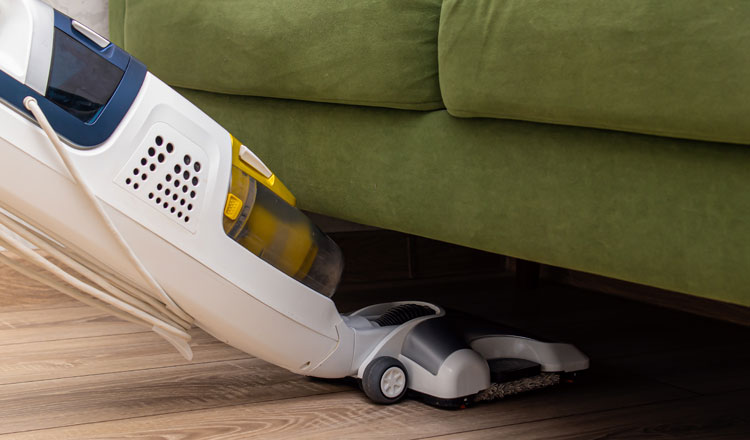
Another suggestion is to frequently dust and clean your home to remove any traces of dirt, pet dander, and other particles that settle on surfaces throughout your home. Regular vacuuming with a HEPA-filtered vacuum cleaner helps capture these particles before they recirculate and become airborne.
Focus on high-traffic areas, upholstered furniture, and carpeted spaces by vacuuming 1-2 times a week. Also be sure to periodically dust ceiling fans, light fixtures, and air vents, which tend to accumulate dust and distribute it when in operation.
8. Schedule a Professional HVAC Maintenance Service
Follow the seven steps above to help improve your home’s indoor air quality. However, a professional maintenance service from a trusted local HVAC company will ensure you’re your heating and cooling system and filtration are in good health. At Modern Sheet Metal, our Carrier-certified HVAC technicians provide thorough maintenance services.
During a professional maintenance visit, we clean and inspect your entire HVAC system. This includes the ductwork, coils, and blower components that have a tendency to hold dust, mold, and other contaminants.
Our technicians will assess your HVAC system for proper airflow, seal any duct leaks that could allow pollutants to enter your system, and ensure all components are functioning correctly for your peace of mind. We can also review your current filtration setup and recommend additions like air purifiers or humidity control systems.
Professional maintenance from a local HVAC company not only improves air quality but also extends your equipment’s lifespan, reduces energy costs, and prevents costly future breakdowns.
Related: Heating & Cooling Guide: What to Know About HVAC Systems
Contact Modern HVAC for Indoor Air Quality Solutions!

Looking for a trusted heating and cooling contractor in the Fox Cities? For expert HVAC maintenance and indoor air quality solutions in the Fox Valley area, look no further than the professionals at Modern Sheet Metal!
We offer our residential and commercial customers FREE estimates and second opinions so that you can move forward with confidence knowing that your HVAC quote was accurate!
We handle A/C installations/replacements and furnace installations/replacements and repairs, troubleshooting and maintenance checks, radiant floor heating services, indoor air quality solutions, heat pumps, programmable thermostats, and radon testing. Contact us today to schedule your maintenance service and breathe easier knowing your family’s comfort and health are in good hands!
Our Service Area
Modern HVAC services the entire Fox Valley area, from Appleton, to Neenah and Menasha, to Darboy and Kimberly, to Greenville. Contact our team for heating and cooling solutions – from A/C and furnace tune-ups, to installations, to emergency services. We are just a phone call away at (920) 733-4713.
Helpful Articles:
- How Does the Process of Air Conditioning Work?
- How Big Should My HVAC System Be?
- Furnace Starts & Stops? Why Your Furnace Is Short Cycling
- 10 Air Conditioning Myths That are Costing You Money
- Why Is My Furnace Leaking Water Onto the Floor? 12 Possible Reasons
- How to Prepare Your Furnace for Fall and Winter
- What to Know Before Installing a New Furnace
- How to Get Your Air Conditioning System Ready for the Summer
- What to Do When Your Furnace is Leaking?
- How To Prevent Bugs From Coming Through Air Conditioner Vents
- Gas vs Electric Furnace: Which Should I Choose for My Home?
- Here’s What to Know When Your Furnace Starts to Smell
- 12 Reasons Why Your Furnace is Leaking
- Choosing the Best Heat Distribution System for Your Home
- 8 Signs Your Furnace Needs a Replacement
- Is Geothermal Heating Worth It In Cold Climates?